
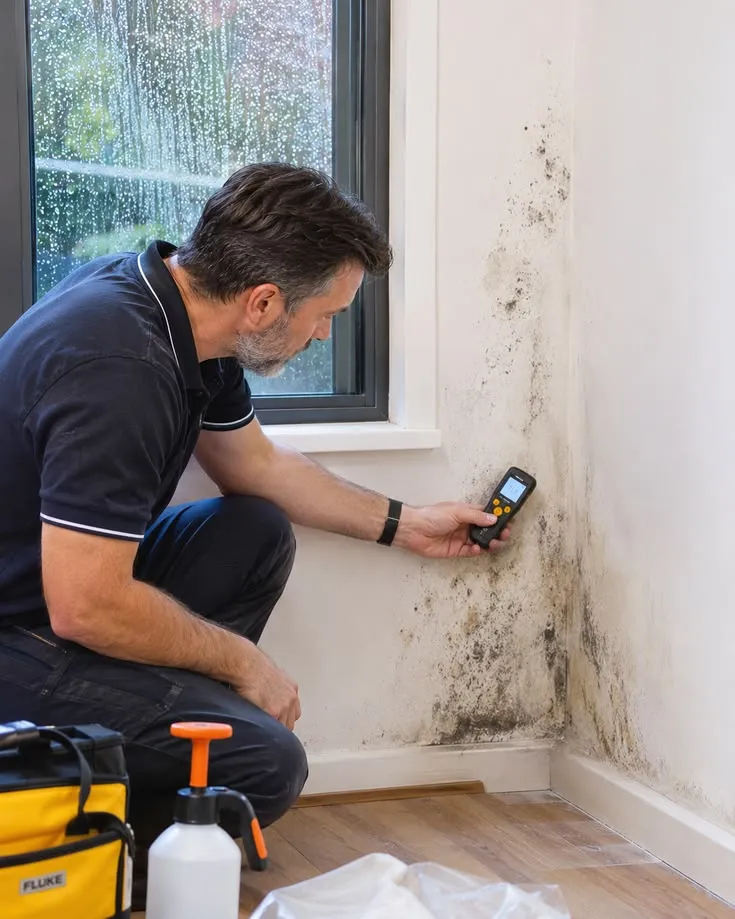
Moving into a new apartment should be an exciting experience, but discovering moisture damage or suspected mold before unpacking can create immediate concerns. Water stains, damp carpeting, and musty odors may indicate conditions that were not obvious during the original property viewing. Renters may wonder whether to proceed with the move or request additional information.
Before making significant decisions, tenants can consult los angeles mold contamination lawyers to understand applicable legal protections. Knowing how to evaluate a property’s condition, communicate concerns, and review rental documents can help prevent avoidable disputes during the move-in process.
Inspect the Apartment Before Unpacking
A move-in inspection provides an opportunity to examine the property’s condition before furniture and personal belongings cover potentially affected surfaces. Tenants should pay particular attention to bathrooms, kitchens, window frames, closets, and areas beneath plumbing fixtures.
Discoloration, peeling paint, or persistent dampness may indicate moisture problems requiring investigation. However, visual observations alone cannot reliably determine whether contamination is extensive. Renters should avoid disturbing suspicious materials or attempting major cleaning themselves. Reporting concerns before occupying affected rooms can help establish the property’s initial condition and prevent disagreements about when damage occurred.
Understand the Landlord’s Initial Responsibilities
California landlords generally must provide rental housing that is safe and fit for human occupancy. These obligations apply at the beginning of a tenancy and continue during occupancy. Serious moisture problems or qualifying mold conditions may raise habitability concerns under California law.
However, minor surface discoloration does not automatically establish a legal violation. The property’s actual condition, applicable standards, and responsibilities of the parties must be considered. Tenants should communicate concerns promptly and request clarification about necessary repairs before assuming the property cannot lawfully be occupied.
Questions to Ask Before Moving In
When suspected mold appears before occupancy, renters should ask property management specific questions about the problem and any previous repair work. Clear communication can help prevent misunderstandings about the property’s condition.
Important questions include:
-
Has the source of moisture been identified?
-
Were previous water leaks professionally repaired?
-
Are inspection or maintenance records available?
-
Will affected materials require cleaning or replacement?
-
When are repairs expected to be completed?
-
Can the tenant inspect the repaired area before occupancy?
Written answers help establish expectations. Tenants should avoid relying entirely on verbal assurances that visible staining is harmless or that repairs have already resolved the underlying moisture problem.
Review Move-In Documents Carefully
Rental agreements and move-in inspection forms establish important records concerning the property’s condition. Tenants should review these documents before acknowledging that an apartment is free from defects.
If moisture damage is present, it should be described accurately in the inspection documentation. Photographs may provide useful supporting information, particularly when stains or damaged materials could change after repairs.
Renters should retain copies of repair commitments and relevant communications. Understanding lease provisions concerning possession, maintenance, and move-in dates can also help clarify responsibilities when unresolved conditions delay occupancy.
When Professional Assessment Is Necessary
Visible staining cannot reliably identify mold species or establish the extent of contamination. Professional investigation may be appropriate when moisture affects concealed materials, spreads across several areas, or repeatedly returns.
An inspector may examine plumbing, ventilation, water intrusion, and affected building materials. Residents considering a black mold attorney should understand that legal concerns depend on more than the color of suspected growth.
Relevant issues include the seriousness of the condition, responsible parties, and evidence supporting any claimed harm. Health concerns should be discussed with qualified medical professionals.
What If Repairs Delay Occupancy?
A tenant who discovers significant damage immediately before moving may face unexpected accommodation or scheduling problems. Moving companies, utility arrangements, and employment schedules may already be organized around the agreed occupancy date.
Before canceling arrangements or refusing possession, renters should examine their lease and obtain appropriate advice. Available options may depend on whether the landlord can deliver the property in the legally required condition.
Written communication is especially important when discussing revised move-in dates, repairs, or possible contract termination. Tenants should not assume every moisture concern automatically permits cancellation without financial consequences.
Conclusion
Discovering suspected mold before moving into a rental apartment requires careful evaluation rather than immediate assumptions about responsibility. Inspecting accessible areas, asking questions, reviewing rental documents, and documenting concerns can help renters understand the property’s condition before settling in.
For Los Angeles tenants seeking guidance about toxic mold and habitability issues, mehdlaw.com provides information about relevant legal claims. Professional assessment and timely legal advice can support informed decisions when unexpected moisture problems affect a new rental home.