
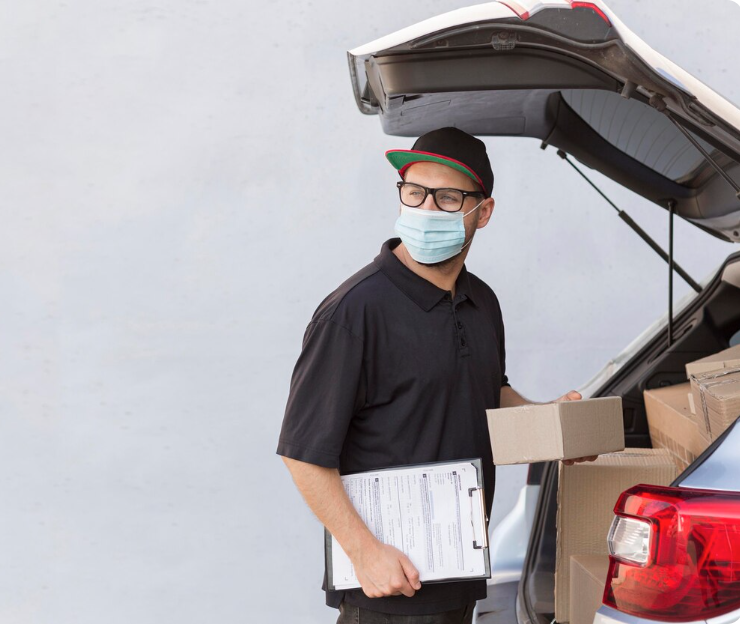
Delivery trucks are a constant presence on Indianapolis roads. From box trucks and vans making residential deliveries to larger commercial vehicles servicing businesses, these trucks operate on tight schedules and crowded streets. While they play an important role in daily life, delivery trucks also pose serious risks when accidents occur. A single collision can leave victims facing massive physical, financial, and emotional losses.
Delivery truck accidents often happen in places people least expect danger, including neighborhood streets, parking lots, and downtown corridors. Because these vehicles are larger and heavier than passenger cars, the damage they cause is often severe. Many injured individuals only begin to understand the scope of their losses after speaking with Indianapolis semi truck accident attorneys who recognize how complex and far-reaching these cases can be.
Vaughn A. Wamsley regularly works with Indianapolis residents whose lives were disrupted by delivery truck accidents. Understanding why these crashes cause such significant losses is essential for protecting recovery and long-term stability.
Why delivery truck accidents are uniquely dangerous
Delivery trucks occupy a middle ground between passenger vehicles and large semitrucks, but they still pose serious hazards.
• Delivery trucks are heavier and taller than most cars, increasing impact force and the likelihood of serious injury during collisions.
• Many delivery vehicles lack advanced safety features found in newer passenger cars, such as automatic braking or blind-spot monitoring.
• Frequent stops, tight turns, and backing maneuvers increase the risk of crashes in residential and commercial areas.
These factors make delivery truck accidents especially dangerous for other road users.
Common delivery truck crash scenarios
Delivery truck accidents often follow predictable patterns tied to how these vehicles operate.
• Rear-end collisions occur when drivers rush between stops and fail to brake in time.
• Pedestrian and cyclist crashes happen during curbside deliveries or backing maneuvers.
• Intersection collisions occur when drivers misjudge gaps in traffic while making tight turns.
These crashes frequently occur at lower speeds but still cause severe injuries due to vehicle size.
Driver pressure and delivery schedules
Delivery drivers often operate under intense time pressure.
• Tight delivery windows encourage drivers to rush, increasing the likelihood of mistakes.
• Long shifts with minimal breaks contribute to fatigue and reduced attention.
• Performance metrics may prioritize speed over safety.
These pressures increase the risk and severity of accidents.
Vehicle maintenance and safety concerns
Delivery trucks experience constant wear due to frequent stops and starts.
• Brake systems wear quickly under heavy use.
• Tires may degrade faster due to frequent curb contact and load changes.
• Lighting and signaling systems may malfunction without regular inspection.
Poor maintenance increases the likelihood of preventable accidents.
Injuries commonly seen in delivery truck accidents
Delivery truck accidents often cause injuries that disrupt daily life and employment.
• Head and brain injuries can occur when vehicles are struck unexpectedly.
• Spinal injuries may lead to chronic pain or mobility limitations.
• Fractures to arms, legs, and hips are common due to impact height.
• Internal injuries may require extended monitoring and treatment.
These injuries often require months of recovery.
Delayed symptom onset after a delivery truck crash
As with other serious collisions, delivery truck accident victims often experience delayed symptoms.
• Pain may intensify after adrenaline wears off.
• Neurological symptoms may appear days later.
• Soft tissue injuries often worsen over time.
Medical providers in Marion County frequently document delayed-onset injuries in delivery truck accident cases.
Liability issues in delivery truck accidents
Determining responsibility in delivery truck accidents can be complex.
• Drivers may be employed by delivery companies, contractors, or third-party logistics firms.
• Vehicle ownership and maintenance responsibility may differ from driver employment.
• Corporate policies and training practices may contribute to unsafe conditions.
Identifying responsible parties requires careful review of records and relationships.
Insurance challenges unique to delivery truck cases
Delivery truck accidents often involve commercial insurance policies.
• Insurers may aggressively defend claims to limit payouts.
• Early settlement offers may not reflect long-term losses.
• Disputes over employment status can delay claims.
These challenges place additional stress on injured victims.
Financial losses beyond medical bills
The financial impact of delivery truck accidents often extends far beyond immediate medical expenses.
• Lost income due to extended recovery can strain households.
• Future earning capacity may be reduced due to lasting injuries.
• Ongoing medical and rehabilitation costs accumulate over time.
These losses can be overwhelming without careful planning.
Indianapolis traffic patterns and delivery risks
Local conditions increase delivery truck accident risk in Indianapolis.
• Narrow residential streets limit maneuvering space.
• Downtown congestion increases pedestrian and cyclist interaction.
• Construction zones complicate delivery routes and stopping behavior.
These factors increase both accident frequency and severity.
How Marion County courts view delivery truck accidents
Marion County courts evaluate delivery truck accident cases with careful attention to employment relationships, safety practices, and injury severity. Judges and juries examine whether delivery companies prioritized safety over speed.
Clear documentation of injuries and losses is critical in these cases.
Steps victims should take after a delivery truck accident
Early action can significantly affect recovery and future options.
• Seek immediate medical care and follow treatment recommendations.
• Document the crash scene, vehicles, and any identifying information.
• Preserve medical records and expense documentation.
• Avoid minimizing injuries when speaking with insurers.
These steps help protect both health and financial recovery.
Why early guidance matters after delivery truck accidents
Delivery truck accidents often leave victims facing massive losses that extend far beyond the crash itself. Early guidance helps protect against rushed decisions and incomplete recovery planning.
Vaughn A. Wamsley works with Indianapolis delivery truck accident victims to ensure injuries are fully documented and long-term losses are recognized. When a delivery truck accident upends your life, speaking with semi truck accident attorneys can help protect your health, your rights, and your future.